Smiley Face Fries: A Complete, In-Depth Guide to the World’s Happiest Snack
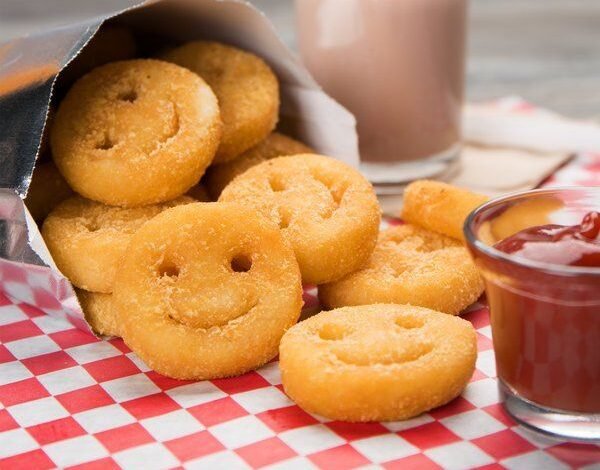
There are foods that feed hunger, and then there are foods that feed happiness. Smiley face fries fall perfectly into the second category. These cheerful, golden little potato faces have been winning hearts for years. Whether you remember them from your school cafeteria, your childhood freezer, or your favorite family meals, smiley face fries carry a blend of comfort, fun, and simple joy that makes them more than just a snack. They are nostalgia you can taste.
In this article, we’ll explore the complete world of smiley face fries—their origin, how they’re made, why they became so popular, their nutritional profile, cultural impact, cooking methods, and everything in between. If you love these little potato smiles or simply want to know more about their charm, you’re in the right place.
What Are Smiley Face Fries?
Smiley face fries are potato-based snacks shaped like round discs with a cheerful smile carved into each one. Instead of looking like classic fries, they look like playful emoji-style faces—two eyes and a curved smile—fried or baked until golden and crispy.
Inside, they are soft and fluffy, almost like mashed potatoes. On the outside, they have a gentle crisp that gives you the perfect contrast of textures. Their shape isn’t just for looks; it’s a major reason why children adore them and adults get nostalgic for them.
The Origin of Smiley Fries: Why They Were Created
Smiley face fries didn’t appear by accident. They were created deliberately to combine two ideas:
- A fun, kid-friendly food idea
- The efficient use of leftover potato bits from french fry production
Manufacturers realized that many potato pieces—too small or irregular for classic fries—could still be used if mashed, shaped, and molded. The smiley face shape made them irresistible and instantly recognizable.
Soon, smiley fries became a staple product for frozen food companies. They offered something competitors didn’t: personality.
Why Smiley Face Fries Became So Popular
Smiley fries became popular across households and school cafeterias for several reasons:
1. They Make Food Fun
Kids aren’t always excited to eat plain food, especially vegetables. A smiling potato face, however, feels like a treat rather than a side dish.
2. They Are Easy to Cook
Frozen smiley fries can be thrown into an oven, fryer, or air fryer, and they come out perfect with very little effort.
3. They Are Comfort Food
The soft, mashed-potato interior reminds many people of childhood meals served at home or in school.
4. They Stand Out from Regular Fries
There are curly fries, waffle fries, shoestring fries, and steak fries—but none of them smile back at you.
5. They Photograph Well
In the age of social media, cute food naturally spreads. People love sharing smiley fries in photos, adding to their popularity.
How Smiley Face Fries Are Made
Although they look playful and simple, the process behind smiley fries is more sophisticated than many people think. The steps generally look like this:
1. Potato Preparation
Potatoes are peeled, cleaned, and boiled or steamed. Then they’re mashed, just like mashed potatoes at home.
2. Mixing With Binders
To help the mixture hold its shape, dehydrated potato flakes, starch, or a similar binder is added. This helps the smiley face hold firm during frying.
3. Shaping the Faces
The mashed potato dough is flattened into discs, and machines carve the round shape, the eyes, and the smile.
4. Par-Frying
To lock the shape in place, the raw smiley faces are partially fried at controlled temperatures. This step solidifies the outer layer.
5. Freezing
The fries are quickly frozen using rapid-freeze technology to preserve freshness, texture, and shape.
6. Packaging
The frozen smiley fries are sealed and shipped to stores.
This process ensures that when you cook them at home, they turn crispy and maintain their expressive facial features without collapsing.
Ingredients in Smiley Face Fries
While brands vary, most smiley face fries include:
- Potatoes
- Dehydrated potato flakes
- Potato starch
- Vegetable oil
- Salt
- Seasonings
- Sometimes a natural color stabilizer
Because the ingredients are potato-based, many smiley fries are naturally vegetarian or vegan. Some versions are also gluten-free, depending on the brand.
Texture and Flavor
Smiley fries don’t taste exactly like typical fries. They’re more like potato patties or tater tots but in a unique shape. Their texture is:
- Crispy on the outside
- Soft, fluffy, and mashed-potato-like inside
The mild flavor appeals to everyone, and you can season them however you like—salt, paprika, pepper, chili flakes, cheese, or dipping sauces.
Cooking Smiley Face Fries: Methods and Tips
Smiley fries can be cooked in several ways, and each brings out different textures.
1. Oven Baking
The most common method. Spread the fries on a baking tray and cook until golden. They come out crisp but not too oily.
2. Deep Frying
This is how cafeterias and restaurants often prepare them. The fries turn extra crispy outside while staying soft inside.
3. Air Frying
A modern, healthier method. Air fryers make smiley fries beautifully crisp without much oil.
4. Pan Frying
Lightly frying them in a shallow pan works too, especially if you want a semi-crispy, semi-soft texture.
Tips for Perfect Smiley Fries
- Don’t overcrowd the tray or fryer; they crisp better when spaced out.
- Cook directly from frozen—no thawing needed.
- Flip them halfway when baking or air frying for even browning.
- Season immediately after cooking so the spices stick.
- For homemade versions, cut larger eye and mouth holes, so the face doesn’t disappear when fried.
Smiley Fries for Kids: Why They Are a Favorite
Smiley face fries were designed with children in mind. Here’s why kids love them:
- They look friendly and fun.
- They’re soft and easy to chew.
- They can be dipped in ketchup, mayo, cheese sauce, or anything.
- They turn an ordinary meal into something exciting.
Parents also love them because they encourage kids to eat without fuss.
Nutritional Information: Are Smiley Fries Healthy?
Smiley fries aren’t health food, but they aren’t the unhealthiest snack either. A typical serving contains:
- Moderate calories
- Carbohydrates from potatoes
- Some fats from the frying process
- Low protein
- No trans fats in most modern brands
Compared to regular fries, they’re similar in calorie count but softer in texture due to the mashed potato base. If baked or air-fried, they can be a lighter option.
Homemade Smiley Face Fries
Homemade versions are becoming popular because people like making fun food from scratch. The process is simple:
- Boil potatoes.
- Mash them with a bit of starch or flour.
- Roll out the dough.
- Cut circles using a small round cutter.
- Carve the eyes with a straw and the smile with a spoon or knife.
- Freeze the shapes.
- Fry or bake them.
Homemade smiley fries can be seasoned however you like and made softer or crispier depending on preference.
Cultural Impact and Nostalgia
Smiley face fries hold a special place in pop culture. They’re not just food—they’re a memory marker.
1. School Cafeterias
Many people remember enjoying smiley fries during lunch breaks in earlier school years. This nostalgic connection is powerful.
2. Birthday Parties
Smiley fries became a staple in kids’ birthday parties, especially in the 90s and 2000s.
3. Social Media Popularity
People love posting pictures of them because they’re cute, colorful, and instantly recognizable.
4. Comfort Food Status
Just like mac and cheese or chicken nuggets, smiley fries fall into the comfort food category. Many adults crave them simply because they remind them of happier, simpler times.
Different Variations of Smiley Face Fries
Although the classic smiley is the most popular, companies also produce:
- Mini smiley fries
- Extra crispy smileys
- Spicy smiley fries
- Veggie smileys made with carrot or beet
- Seasoned smileys with herbs or cheese
Some countries even have unique shapes, like stars or cartoon characters, inspired by the original smiley design.
Why People Love Smiley Face Fries as Adults
Even as grown-ups, many people buy smiley fries because:
- They bring back childhood memories
- They’re comfort food
- They make meals playful
- They appeal to kids in the family
- They have a soft, tasty texture
Happiness food knows no age limit, and smiley fries prove that.
How Smiley Fries Are Served Around the World
Different regions enjoy them in various ways:
- North America: Mostly served with ketchup, mayo, or cheese dips.
- South Asia: Seasoned with chili flakes, chaat masala, or spicy ketchup.
- Europe: Often paired with creamy garlic sauces or aioli.
- Middle East: Sometimes included in mixed snack platters with nuggets and tenders.
No matter where they go, smiley fries adapt easily to local flavors.
Why Smiley Fries Are More Than a Food Item
Smiley fries symbolize something deeper:
Joy
A smiling face is universally uplifting.
Nostalgia
They instantly transport many people back to childhood.
Creativity
The idea of eating food shaped like a smile is playful and fun.
Comfort
They’re warm, soft, familiar, and emotionally satisfying.
This emotional connection is a huge reason why smiley fries remain popular worldwide, even decades after their introduction.
Final Thoughts: The Enduring Magic of Smiley Face Fries
Smiley face fries aren’t just another frozen snack—they’re a unique blend of taste, nostalgia, creativity, and joy. From school lunches to family dinners, from birthday parties to late-night cravings, they have filled plates and hearts for generations.
Their simple design hides a thoughtful purpose: making food fun. And in a world where meals often feel rushed or ordinary, something as small as a smiling potato face can bring cheer to the table.
Smiley fries remind us that food doesn’t just nourish the body—it also brightens the day. Whether you bake them, fry them, or make them at home, the charm of a smiling fry never fades.