Sleep Hygiene for Sleep Apnea: A Complete Guide to Better Rest
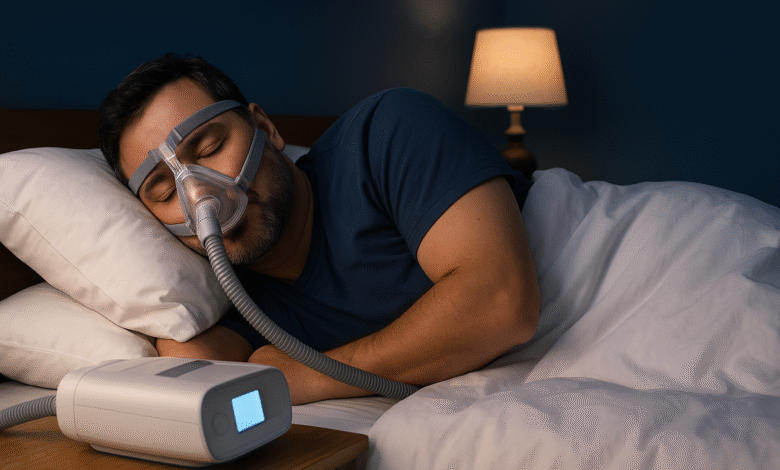
Sleep is essential for physical recovery, mental clarity, and overall well-being. Yet, for millions of people living with sleep apnea, restful sleep can be hard to achieve. Sleep apnea causes repeated interruptions in breathing during the night, leaving you tired, irritable, and mentally drained the next day. While medical treatments like CPAP (Continuous Positive Airway Pressure) and oral devices are the foundation of therapy, one often overlooked factor can significantly improve results — sleep hygiene.
In this guide, we’ll explore everything you need to know about sleep hygiene for sleep apnea, why it matters, and how simple lifestyle adjustments can enhance your sleep quality and support your overall health.
Understanding Sleep Apnea
Before diving into sleep hygiene, it’s important to understand what sleep apnea actually is.
Sleep apnea is a disorder that causes breathing to repeatedly stop and start while you’re asleep. The most common type is Obstructive Sleep Apnea (OSA), which occurs when the muscles at the back of your throat relax excessively, blocking your airway. This leads to temporary pauses in breathing, often accompanied by snoring, gasping, or choking sounds.
Each interruption (called an apnea or hypopnea event) briefly wakes you up — sometimes hundreds of times per night — preventing deep, restorative sleep. Over time, this can cause fatigue, high blood pressure, heart problems, and even cognitive decline.
The severity of OSA can range from mild (5–15 events per hour) to severe (over 30 events per hour). Treatments often include CPAP therapy, oral appliances, surgery, weight management, or positional therapy. However, even with these interventions, maintaining good sleep hygiene can make a significant difference.
What Is Sleep Hygiene?
Sleep hygiene refers to the set of behaviors, habits, and environmental factors that influence the quality and consistency of your sleep. Think of it as your “sleep environment checklist” — the small, daily choices that either support or sabotage your rest.
For example, sleeping in a dark, cool room and avoiding caffeine before bedtime are classic sleep hygiene practices. These habits don’t directly treat sleep apnea, but they create the right conditions for your body to achieve deeper, more restorative sleep.
In people with sleep apnea, good sleep hygiene helps:
- Reduce nighttime awakenings.
- Improve the effectiveness of medical treatments like CPAP.
- Decrease fatigue and daytime sleepiness.
- Stabilize your sleep cycles for better recovery.
So, while sleep hygiene won’t “cure” apnea, it complements treatment by minimizing additional sleep disruptions.
Why Sleep Hygiene Matters for Sleep Apnea
When you have sleep apnea, your body already struggles to maintain continuous sleep. Poor sleep hygiene — like staying up late, using screens before bed, or sleeping on your back — only worsens the problem.
Here’s why sleep hygiene is especially important for those with apnea:
- Reduces Sleep Fragmentation:
Regular bedtime habits help your body transition smoothly between sleep stages, preventing further sleep fragmentation. - Supports Airway Stability:
Good habits like sleeping on your side or managing nasal congestion can reduce airway collapse, which is the main cause of OSA episodes. - Enhances CPAP or Oral Appliance Use:
A comfortable sleep environment makes it easier to use treatment devices consistently without irritation or discomfort. - Improves Daytime Function:
Better sleep quality improves concentration, mood, and decision-making — crucial for daily productivity and, in your case, trading performance. - Promotes Weight Management:
Quality sleep regulates hormones related to appetite and metabolism, indirectly helping to manage one of the biggest risk factors for OSA — excess weight.
Key Sleep Hygiene Tips for Sleep Apnea
Now, let’s break down the most effective strategies for improving sleep hygiene when you’re managing sleep apnea.
1. Stick to a Consistent Sleep Schedule
Consistency is the foundation of good sleep hygiene. Going to bed and waking up at the same time every day — even on weekends — trains your internal clock (circadian rhythm). This makes it easier to fall asleep and stay asleep.
People with sleep apnea benefit greatly from routine because erratic sleep patterns can amplify breathing irregularities and worsen fatigue.
Tip:
Set a bedtime and wake time that allow at least 7–8 hours of rest. If you’re used to late-night trading or screen time, start adjusting gradually by moving your bedtime 15–30 minutes earlier each night.
2. Optimize Your Sleeping Position
Your sleep position can have a major impact on apnea severity. Sleeping on your back (supine position) often causes the tongue and soft tissues to collapse backward, blocking the airway. In contrast, sleeping on your side (lateral position) keeps the airway more open.
How to do it:
- Use a body pillow or tennis ball technique (sewn into the back of your sleep shirt) to prevent rolling onto your back.
- Some people find relief using a “positional therapy device” that gently vibrates when they shift into a back position.
- If you’re using CPAP, talk to your doctor about mask types suitable for side-sleeping.
3. Create a Cool, Dark, and Quiet Environment
Your bedroom environment plays a powerful role in sleep quality. Light, noise, and temperature all affect how easily you drift into deep sleep.
For apnea sufferers, environmental distractions can worsen fragmented sleep. A comfortable, calm setting supports deeper, uninterrupted rest.
Tips for an ideal setup:
- Keep the room temperature between 16–20°C (60–68°F).
- Use blackout curtains or a sleep mask to block light.
- Try earplugs or a white-noise machine to mask background noise.
- Replace old pillows or mattresses that no longer support proper posture.
4. Avoid Alcohol, Nicotine, and Sedatives Before Bed
Alcohol may make you drowsy at first, but it relaxes the muscles in your throat, increasing the risk of airway obstruction. Similarly, sedatives and some sleep medications can worsen apnea events. Nicotine and caffeine, on the other hand, are stimulants that interfere with sleep onset.
Best practices:
- Avoid alcohol at least 3–4 hours before bedtime.
- Limit caffeine after 2 p.m.
- Quit smoking or avoid nicotine products, especially in the evening.
- Speak with your doctor before taking any sleep aids — many worsen OSA symptoms.
5. Establish a Relaxing Pre-Bed Routine
Your mind needs time to wind down before sleep. Jumping straight from screens or work into bed can keep your brain overstimulated, delaying deep sleep.
Try these techniques:
- Turn off electronic devices at least an hour before bed.
- Practice breathing exercises, meditation, or gentle stretching.
- Take a warm shower to help your body relax.
- Read a physical book (not a digital one) under dim light.
This routine signals your brain that it’s time to transition from activity to rest — crucial for consistent, quality sleep.
6. Manage Weight and Exercise Regularly
Weight management is one of the most effective long-term strategies for reducing sleep apnea severity. Excess fat around the neck and upper airway increases the risk of obstruction during sleep.
Exercise also improves sleep quality by enhancing circulation, reducing stress, and promoting healthy breathing patterns.
Action plan:
- Aim for at least 150 minutes of moderate exercise per week (like brisk walking, cycling, or swimming).
- Add strength training twice a week to boost metabolism.
- Combine exercise with a balanced diet rich in fruits, vegetables, lean protein, and whole grains.
Even modest weight loss — as little as 5–10% of your body weight — can reduce apnea events and improve oxygen levels.
7. Keep Your Nasal Passages Clear
If nasal congestion or allergies make breathing difficult, they can worsen sleep apnea symptoms. Clear nasal airways promote smoother airflow and support CPAP effectiveness.
Tips:
- Use saline sprays or nasal rinses before bed.
- Keep your bedroom free of dust and allergens.
- Use a humidifier if the air is dry.
- Discuss persistent congestion with your doctor for appropriate medication.
8. Use Your CPAP or Oral Appliance Consistently
For those prescribed a CPAP machine or oral device, consistent use is essential. Irregular or inconsistent use can undo progress and keep symptoms active.
Helpful reminders:
- Clean your CPAP mask and tubing regularly.
- Ensure a proper mask fit to prevent air leaks.
- Use your machine every night — even during naps.
- Track your progress with a sleep diary or CPAP app.
When combined with good sleep hygiene, CPAP therapy becomes much more effective and comfortable.
Practical Step-by-Step Sleep Hygiene Plan
To put these strategies into action, here’s a structured plan you can follow:
- Set a schedule: Fix your bedtime and wake time.
- Avoid stimulants: Stop caffeine and alcohol use several hours before bed.
- Prepare your space: Keep your bedroom dark, quiet, and cool.
- Wind down: Spend the last hour before sleep relaxing and avoiding screens.
- Sleep position: Train yourself to sleep on your side.
- Maintain your treatment: Use CPAP or oral devices every night.
- Monitor progress: Keep a journal noting your energy levels, sleep quality, and treatment usage.
- Adjust as needed: Evaluate results every few weeks and refine your habits.
Common Mistakes That Sabotage Sleep Hygiene
Even with good intentions, people with sleep apnea often make certain mistakes that undo their progress. Be mindful of these:
- Inconsistent bedtime: Changing sleep times frequently confuses your circadian rhythm.
- Late-night snacking: Eating close to bedtime increases acid reflux, which can worsen apnea.
- Overusing screens: Blue light from phones or laptops suppresses melatonin, delaying sleep onset.
- Neglecting treatment devices: Skipping CPAP even for one night can bring symptoms back quickly.
- Ignoring room conditions: Excess heat, light, or clutter interferes with deep sleep cycles.
Avoiding these pitfalls will help maintain long-term improvements.
The Benefits of Practicing Good Sleep Hygiene
When you commit to consistent, high-quality sleep hygiene practices, you’ll begin to notice clear benefits, such as:
- Reduced snoring and apnea events.
- Improved energy and alertness during the day.
- Fewer headaches or morning grogginess.
- Better mood and stress control.
- Enhanced focus, reaction time, and productivity — especially important if your work or trading requires concentration.
- Stronger adherence to CPAP or oral appliance therapy.
Essentially, sleep hygiene acts as the foundation upon which other treatments build their success.
What Sleep Hygiene Can’t Do
It’s important to remember that while sleep hygiene can greatly improve your quality of life, it cannot replace medical treatment for sleep apnea. If you have moderate to severe OSA, you’ll still need interventions like CPAP, oral appliances, or surgery.
However, good habits amplify the benefits of those treatments, helping you get the most out of your therapy and maintain better sleep overall.
Final Thoughts
Sleep hygiene for sleep apnea isn’t just about following generic bedtime tips — it’s about creating an environment and routine that complement your medical treatment. Consistency, comfort, and awareness are key. By maintaining a structured sleep schedule, sleeping on your side, avoiding harmful substances, and keeping your surroundings optimal, you can significantly improve your quality of rest.
When your sleep becomes deeper and less fragmented, you’ll not only manage your sleep apnea more effectively but also experience sharper focus, better mood, and renewed energy every day.
Good sleep is not a luxury — it’s a necessity. And with the right habits, you can finally reclaim it.