Robert F. Chew – A Complete Biography and Life Story
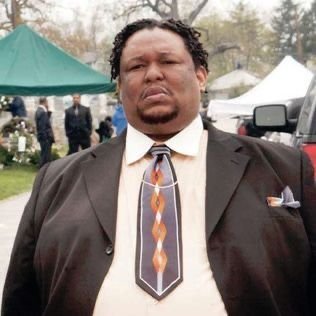
Robert F. Chew may not have been a Hollywood mega-star, but to fans of The Wire and to thousands of young actors in Baltimore, he remains unforgettable. His portrayal of Joseph “Proposition Joe” Stewart was not just acting—it felt like a living, breathing piece of Baltimore itself. His calm, strategic, soft-spoken style created one of the most iconic characters in modern television, and his personal life behind the camera was equally rich, generous, and influential.
This article explores everything known about Robert F. Chew—his early life, education, acting career, years on The Wire, community involvement, personal philosophy, death, and legacy. The goal is to paint a full, human, respectful portrait of the man behind the character.
Early Life and Background
Robert Francell Chew was born on December 28, 1960, in the city he would remain connected to for life—Baltimore, Maryland. Unlike many actors who leave their hometowns in pursuit of fame, Chew chose a different path. Baltimore shaped him, and he chose to stay rooted in the community that raised him.
Growing up in East Baltimore, he showed early interest in performing arts. He attended Patterson Park High School, where he developed skills in music, drama, and stage performance. His love for music was especially strong, and he carried that into higher education.
After high school, Chew studied music at Morgan State University. Music wasn’t just a side interest—it was a foundation for the rhythm, timing, and presence he later brought to acting. His understanding of tone, cadence, and emotional expression helped make his performances feel natural and grounded.
What stands out about his early years is how deeply connected he remained to the city. Many actors dream of Hollywood; Chew dreamed of contributing to the arts in Baltimore.
Entering the World of Acting
While Robert F. Chew eventually became best known for his television roles, he spent many years building his foundation in theater. He became a strong presence at Baltimore’s Arena Players, one of the oldest continuously operating African American community theaters in the country.
Chew wasn’t just performing—he was learning how to shape himself into a better artist, studying the craft from directors, coaches, and stage veterans. More importantly, he began teaching young performers, and this mentoring role soon became one of the defining aspects of his life.
Before he ever stepped onto a nationally known set, Chew had already become an important piece of Baltimore’s artistic community.
Television Debut and Early Roles
Chew earned small roles on shows produced in and around Baltimore. One reason he became a familiar face in local productions was the strong relationship he built with filmmakers who frequently worked in the region.
Some of his earliest work included appearances on “Homicide: Life on the Street”, a crime drama that gained critical acclaim. His authenticity and command of character stood out, even in guest roles, and many local directors viewed him as someone who added weight and believability to any scene.
He also appeared in “The Corner”, a powerful miniseries that depicted the struggles of families and individuals affected by drugs in Baltimore. This project, created by David Simon and Ed Burns, became an important stepping stone for Chew. It connected him to the creators who would later cast him in the role that defined his career.
The Wire – Becoming Proposition Joe
When HBO began production on The Wire, the creators wanted actors who represented Baltimore authentically—people who understood the language, the culture, the environment, and the rhythm of life in the city. Robert F. Chew embodied that perfectly.
The Character
Joseph “Proposition Joe” Stewart, often called “Prop Joe,” was a calm, highly intelligent, and sharp-minded drug kingpin who preferred negotiation over violence. He was the man with a deal for every situation—always ready with a “proposition.”
Unlike many fictional crime bosses, Prop Joe wasn’t loud, aggressive, or impulsive. He was strategic, soft-spoken, rational, and quietly powerful. Chew’s delivery gave the character depth and complexity. His polite, calculated style made him stand out in a world where most crime figures relied on intimidation and brute force.
Chew’s Performance
Robert F. Chew didn’t just play Prop Joe—he became him. His physical presence, gentle voice, and thoughtful expressions created a character who felt both dangerous and strangely likable. Despite being a criminal figure, Prop Joe often came across as someone with wisdom, patience, and charm.
Fans still quote his iconic lines, admire his calm intelligence, and rewatch scenes where Chew’s subtle expressions spoke louder than dialogue ever could.
Impact of the Role
The Wire is widely considered one of the greatest television series ever created. Chew’s role helped anchor the show’s portrayal of Baltimore’s underground economy. Critics praised him for the realism he brought to the character, and audiences embraced Prop Joe as one of the most memorable personalities in the series.
What makes Chew’s work even more impressive is that he was not formally Hollywood-trained, nor did he rely on star power or theatrics. He used observation, experience, and a deep understanding of Baltimore life to shape his performance.
He remained humble about his success, often expressing gratitude for the opportunity. Despite rising to prominence, he continued to remain deeply connected to the Baltimore community.
Mentorship and Teaching
While many fans know Robert F. Chew as Prop Joe, those in Baltimore remember him equally—if not more—for his role as a teacher and mentor.
Chew spent years mentoring young actors through the Arena Players and other local programs. He taught acting techniques, emotional expression, stage presence, and discipline. Many young performers credited him as the reason they pursued acting careers or learned to believe in themselves.
He didn’t treat acting as a business—he treated it as a craft, a form of expression, and a way to give young people confidence and direction. His passion for teaching showed in the dedication he had for local youth programs.
Chew even coached several young actors who appeared on The Wire. The show featured many Baltimore teenagers in authentic roles, and Chew helped train them, prepare them, and build their confidence before they stepped onto set. Some of the most compelling young performances in the series were shaped by Chew’s teaching.
This mentoring role is often described as one of his greatest legacies.
Personality and Personal Life
Friends, colleagues, and students described Robert F. Chew as gentle, soft-spoken, intelligent, and patient. He didn’t seek fame or attention; instead, he valued authenticity and community.
He enjoyed music, theater, and the arts. Those close to him often mentioned his kindness, his sense of humor, and his ability to connect with people of all ages. He was someone who commanded respect not through force, but through warmth and wisdom.
Despite being recognized internationally for his work on The Wire, he never distanced himself from Baltimore or the people he grew up with. He continued teaching, coaching, and participating in local theater even after gaining fame.
Health and Passing
On January 17, 2013, Robert F. Chew passed away in his sleep at his home in Baltimore. The cause was reported as heart failure. He was only 52 years old.
His death sent shockwaves through both the entertainment world and the Baltimore community. Castmates from The Wire, including Michael K. Williams and Jamie Hector, posted emotional tributes honoring their friend. David Simon, creator of The Wire, wrote heartfelt reflections recognizing Chew’s talent, generosity, and impact on both the show and the city.
Fans around the world remembered him not just as Prop Joe, but as a talented artist who brought depth, intelligence, and soul to everything he did.
Legacy
Robert F. Chew left behind a legacy far greater than a single role, even though his portrayal of Proposition Joe remains legendary. His legacy includes:
1. A defining character in television history
Prop Joe is still considered one of the most layered and fascinating characters in crime drama. Chew’s performance is studied for its subtleness, restraint, and realism.
2. A lasting impact on Baltimore’s artistic community
He mentored countless young actors, many of whom credit him with changing the direction of their lives.
3. Representation of authentic Baltimore culture
Chew brought real Baltimore identity to the screen—its language, humor, spirit, and struggles.
4. Inspiration for future actors
His story shows that you don’t have to pursue Hollywood to leave a mark. You can stay in your community, be authentic, and still influence millions.
5. Respect from peers and critics
Colleagues often spoke about his professionalism, humility, and deep understanding of character.
Why Robert F. Chew Still Matters Today
Robert F. Chew’s work continues to resonate because his acting transcended entertainment. His performances felt real, grounded, and emotionally layered. He brought humanity to a criminal role, showing audiences that even figures in the drug world have intelligence, structure, fears, flaws, and strategies.
His commitment to Baltimore also stands as a powerful example of loyalty to one’s community. At a time when actors often chase fame, Chew stayed home and built something meaningful where he grew up.
His influence extends through the actors he trained, the performances he shaped, and the lives he touched along the way.
Conclusion
Robert F. Chew’s life may have ended too soon, but the impact he made continues to grow. He will always be remembered as the man who brought Proposition Joe to life with remarkable depth and authenticity. But beyond that, he will be remembered as a mentor, teacher, artist, and a proud Baltimorean who gave everything he could to his craft and community.
From his early days studying music to his groundbreaking role on The Wire, Robert F. Chew embodied dedication, integrity, and quiet brilliance. His legend lives on—not just on television screens, but in the hearts of the people he inspired.