Hot Wheels Value Guide: Unlocking the True Worth of Your Collection
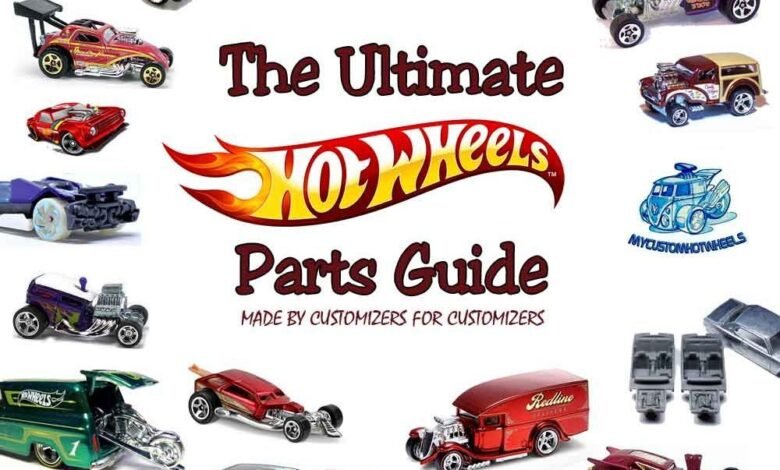
Few toys have captured the imagination of generations like Hot Wheels. Since their introduction in 1968 by Mattel, Hot Wheels cars have been more than just miniature replicas of real vehicles—they are collectible treasures that spark nostalgia, joy, and sometimes, impressive profits. Whether you are a casual collector, a serious hobbyist, or someone looking to turn a childhood passion into an investment, understanding the value of Hot Wheels is essential. This is where a Hot Wheels value guide becomes an indispensable tool. In this article, we explore everything you need to know about valuing Hot Wheels cars, from condition and rarity to market trends and collecting tips.
The Importance of a Hot Wheels Value Guide
A Hot Wheels value guide is a resource designed to help collectors determine the approximate worth of their cars. Unlike toys sold in stores, collectible Hot Wheels can vary widely in value depending on a number of factors. A value guide helps you:
- Assess Your Collection – Knowing the value of your Hot Wheels cars can provide insight into what you own and what might be worth keeping.
- Buy or Sell Wisely – Whether purchasing a rare car or selling one from your collection, a value guide helps ensure you get fair market value.
- Identify Rare Pieces – Some Hot Wheels cars, especially vintage models or limited editions, are far more valuable than they appear.
- Track Market Trends – Values change over time; a guide provides updates on what collectors are currently seeking.
- Insure Your Collection – For serious collectors, knowing the value is essential for insurance or estate purposes.
A value guide is not a rigid pricing system but rather a framework for estimating worth. It considers historical sales, rarity, condition, and collector demand to provide an informed range.
Key Factors That Determine Hot Wheels Value
Not all Hot Wheels are created equal. Several major factors influence a car’s value:
1. Age and Era
Older Hot Wheels, particularly those from the Redline era (1968–1977), tend to be the most valuable. These cars are distinguished by a red stripe around the tires, which gives the era its name. Some early models, like the Volkswagen Beach Bomb or the original Sweet 16 set, are highly sought after and can command thousands of dollars in mint condition.
Newer cars can also hold value, particularly if they are limited editions, Treasure Hunts, or Super Treasure Hunts, which are produced in very limited quantities and often feature unique paint jobs or wheels.
2. Condition
Condition is a critical factor. Collectors often use a grading scale ranging from poor to mint. Key elements include:
- Paint and Finish: Chips, scratches, or fading can reduce value.
- Wheels and Axles: Original wheels in good shape maintain higher worth.
- Base Plate: Cars with intact, undamaged base markings tend to be more valuable.
- Packaging: Cars in mint, unopened blister packs often fetch significantly higher prices than loose cars.
Even small imperfections can affect a car’s value, so careful handling and storage are crucial for collectors.
3. Rarity and Variants
Some Hot Wheels cars are rare due to production limits or unique features. This includes:
- Color Variants – Cars produced in unusual colors or with minor factory variations.
- Limited Editions – Released in small numbers for promotions, special events, or conventions.
- Factory Errors – Misprints, incorrect wheels, or other anomalies can unexpectedly increase value.
The rarer a car, the higher its potential worth, particularly if it is sought after by collectors.
4. Popularity and Demand
Value is also driven by what collectors want. Classic cars, movie replicas, and iconic vehicles often see high demand, boosting their market value. Conversely, cars that are less popular or overproduced may hold less value, even if they are old.
5. Market and Methodology
Different guides and resources may use various methods to assess value. Some rely on historical sales data, tracking actual transactions on platforms like auctions or online marketplaces. Others use expert opinion or a rarity scale, such as the star rating system used by the North Carolina Hot Wheels Association (NCHWA).
Ultimately, a good value guide should provide a range rather than a single price point, reflecting the realities of the collectible market.
Popular Hot Wheels Value Guides
Several guides and tools are widely recognized among collectors:
1. Printed Guides
Traditional printed guides, like Tomart’s Price Guide to Hot Wheels Collectibles, offer detailed listings of models, variants, and estimated values. They are particularly useful for Redline-era cars and historical reference.
2. Online Guides
Websites and apps now provide up-to-date information on current market trends. Online guides often include recent sales data, making them more reflective of real-world values. They may also categorize cars by series, type, or production year.
3. Star Value Guides
Some associations, like the NCHWA, use a star rating system to represent rarity. This method provides context for collectors and emphasizes rarity over a strict monetary value, which can fluctuate over time.
4. Specialty Guides
For collectors focused on specific eras or types, there are specialized guides such as Redline-focused guides, Treasure Hunt compilations, or guides covering movie and pop culture replicas. These offer highly detailed insights that general guides might not cover.
Understanding Value Ranges
Value ranges vary widely. For context:
- Redline Era Cars (1968–1977):
- Loose mint condition: $50–$1,000+, depending on model.
- Ultra-rare variants or errors: $2,000–$5,000+ in some cases.
- Sealed carded versions: Rare cards can fetch $500–$5,000+, depending on rarity and condition.
- Modern Mainline Cars (2020s):
- Standard mainline releases: $2–$5 each.
- Treasure Hunts or Super Treasure Hunts: Prices can range from $15–$100+ for common variants, and much higher for rare or limited editions.
- Highly Collected Models:
- The “Sweet 16” from 1968, or models like the VW Beach Bomb and the original custom Hot Wheels cars, are highly prized by serious collectors.
Understanding these ranges helps collectors make informed decisions when buying, selling, or appraising their collections.
How to Use a Hot Wheels Value Guide Effectively
- Examine Your Cars Carefully
Look closely at paint, wheels, base plates, and any packaging. Documenting these details with photos is helpful for insurance, selling, or valuation purposes. - Select the Right Guide
Use specialized guides for vintage cars and up-to-date online tools for newer models. Cross-reference multiple sources for accuracy. - Check Real Sales Data
Actual transaction prices often differ from listed guide values. Platforms like auctions or collector marketplaces can provide real-world benchmarks. - Account for Packaging and Accessories
Mint, carded, or unopened cars are often significantly more valuable than loose cars. Consider the presence of original packaging, stickers, or accessories. - Consider Market Trends
Popularity and collector interest shift over time. A car that is highly sought after today may see fluctuating value tomorrow, so staying current is important. - Estimate Value Ranges
Avoid fixating on one exact figure. Treat guide prices as a range to account for condition, rarity, and demand.
Tips for Collectors to Maximize Value
- Store Cars Properly – Keep them in a cool, dry environment to prevent paint fading, rust, or deterioration.
- Handle with Care – Frequent handling can reduce value, especially for vintage or rare models.
- Invest in Packaging Protection – Carded cars benefit from protective sleeves, cases, or hard boxes.
- Stay Informed – Join collector forums, social media groups, and associations to track market trends and upcoming rare releases.
- Document Provenance – Knowing the origin or history of a car can increase its desirability to other collectors.
Why Some Hot Wheels Cars Are Super Valuable
Several characteristics contribute to a car’s high value:
- Rarity – Limited production runs or rare color variants are highly sought after.
- Historical Significance – Early Redline cars, first editions, or models marking a milestone in Hot Wheels history often command premium prices.
- Factory Errors – Mistakes like misaligned paint, incorrect wheels, or base plate errors can make a car highly collectible.
- Popularity and Nostalgia – Models tied to movies, iconic vehicles, or nostalgic series often fetch higher prices.
- Condition and Packaging – Pristine cars with original packaging are always in demand.
Understanding these factors allows collectors to spot potentially valuable cars even if they appear ordinary at first glance.
The Role of Community and Experts
Collecting Hot Wheels is more than just acquiring cars—it’s a community-driven hobby. Forums, clubs, and collector groups play a significant role in:
- Sharing knowledge about rare models and market trends
- Verifying authenticity and condition
- Organizing swaps, auctions, and conventions
- Providing mentorship for new collectors
Engaging with the community can enhance your understanding of value, trends, and investment potential.
Conclusion: Why a Hot Wheels Value Guide Matters
For collectors, a Hot Wheels value guide is more than a reference—it is a roadmap to understanding and appreciating the hobby. By considering factors like age, condition, rarity, demand, and market trends, collectors can make informed decisions about buying, selling, and preserving their cars.
Whether you are a casual collector who enjoys reminiscing about childhood favorites or a serious investor tracking rare Redline-era models, a value guide provides insight, confidence, and direction. It helps collectors not only protect their investments but also maximize the joy of owning one of the most iconic toy lines in history.
In the ever-evolving world of Hot Wheels collecting, knowledge is power. A comprehensive understanding of value ensures that every car in your collection—from a modern Treasure Hunt to a vintage Redline—is appreciated not just for its nostalgia, but also for its true collectible worth.