What was the Structure fire in Davis ?
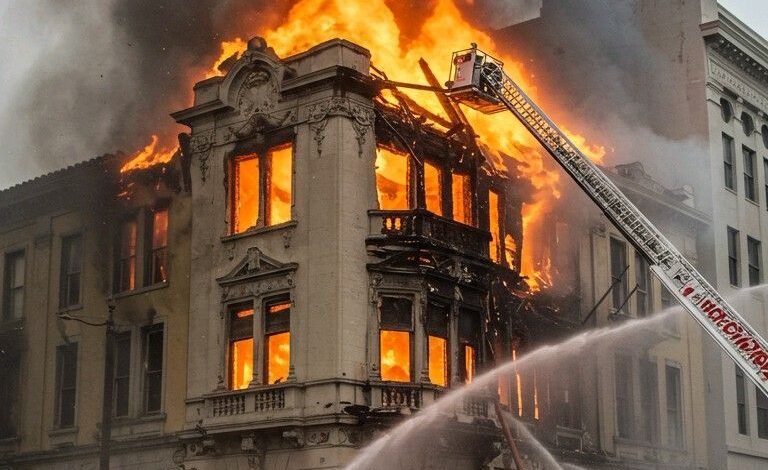
A structure fire in Davis is not just an isolated emergency event; it is a situation that brings together community response, firefighting protocols, city infrastructure preparedness, local environmental conditions, and lessons learned for future safety. When people hear the phrase “structure fire in Davis,” they often imagine flames consuming a building, fire engines rushing down the street, and smoke rising above the quiet skyline of the city. But behind that dramatic image is a deeper story that includes how the incident happened, how firefighters responded, how lives were impacted, and what the community can do to prevent similar incidents. This comprehensive overview explores all major aspects of a structure fire in Davis, offering insights into causes, response mechanisms, challenges firefighters face, safety strategies, and the broader significance of such events.
Understanding What a Structure Fire in Davis Means
A structure fire in Davis refers to any fire that originates inside or significantly impacts a building, whether it is a home, apartment complex, business, school, warehouse, or public facility. In the city of Davis, structure fires are taken very seriously due to the mix of residential neighborhoods, commercial centers, university buildings, and older structures that may be more fire-prone. The term also includes fires that begin outside but spread into a structure, or fires that begin inside and threaten to expand to surrounding buildings. Davis is known for its blend of modern architecture and older homes, which means that firefighters must be ready for highly varied construction types, some of which burn more quickly or create more hazardous smoke.
A structure fire in Davis also engages multiple emergency systems at once. The dispatch center receives the initial alarm, sends appropriate units, and remains in communication throughout the incident. The Davis Fire Department, supported by mutual aid from neighboring areas if needed, mobilizes engines, trucks, ambulances, and specialized crews. The entire sequence of action is carefully coordinated to protect property and preserve human life.
Common Causes Behind a Structure Fire in Davis
When discussing any structure fire in Davis, understanding the cause is one of the biggest priorities for investigators. Fires do not happen randomly; they are usually the result of a chain reaction involving heat sources, flammable materials, and an ignition opportunity. Some of the most common causes include:
Electrical failures are among the leading triggers. Faulty wiring inside walls, old outlets, overloaded circuits, malfunctioning appliances, or utility issues can spark flames. In older parts of Davis where buildings were constructed decades ago, wiring may not always be updated, increasing risks.
Cooking incidents are another frequent cause. Unattended stoves, overheating pans, or grease buildup can lead to rapid flare-ups that quickly spread into cabinets, walls, and ceilings. Many residential structure fires in Davis start in the kitchen.
Heating equipment such as space heaters, fireplaces, and furnaces can also ignite nearby flammable materials or malfunction internally, producing enough heat to start a fire.
Human error or negligence occasionally plays a role. This includes candles left burning, matches or lighters accessible to children, improper use of flammable liquids, or careless smoking habits.
Wildfire embers—although less common within the city center—can travel long distances during windy conditions, striking roofs or wooden siding in the outskirts, and resulting in a structure fire in Davis.
Each of these causes has different warning signs and prevention measures, and after every incident, investigators study them closely to help improve public safety.
How Firefighters Respond to a Structure Fire in Davis
The response to a structure fire in Davis is fast, strategic, and based on years of training and protocol. Once the 911 call comes through, the dispatch team immediately identifies the type of fire, the address, and any initial details provided by callers. Firefighters gear up within seconds, donning protective suits, breathing apparatus, tools, and equipment designed to function amid high heat and smoke.
Upon arrival, the first engine assesses the situation and conducts what is known as a size-up. This includes evaluating where the fire is located, how much of the structure is involved, whether occupants might be inside, what obstacles exist, and what exposure threats (adjacent buildings, vegetation, vehicles) could worsen the situation. Communication is essential, and the incident commander assigns roles to each crew, including interior attack, ventilation, search and rescue, water supply management, and safety monitoring.
A structure fire in Davis often requires multiple teams to work simultaneously. For example, the interior attack team enters the building with hoses to directly fight the fire, while the ventilation team cuts openings in the roof or breaks selected windows to release heat and smoke. Search and rescue teams move quickly through rooms to find any trapped occupants. Meanwhile, firefighters outside secure hydrants, stretch additional hose lines, and monitor for fire spread.
At times, the Davis Fire Department may request mutual aid from nearby cities or county fire districts, especially if the fire is large or if multiple incidents happen at once. Coordination ensures efficiency and reduces the risk to firefighters and civilians.
Challenges Faced During a Structure Fire in Davis
Every structure fire in Davis presents its own set of challenges. Construction materials, temperature, wind conditions, layout complexity, and structural integrity all play major roles. Some buildings have hidden voids—spaces between walls or ceilings where fire can travel unseen. Older structures may collapse faster, while newer ones may contain synthetic materials that burn hotter and produce toxic smoke.
Visibility is often one of the biggest obstacles. Thick black smoke limits sight to inches, making navigation difficult and dangerous. Firefighters rely on training, tools, thermal imaging cameras, and teamwork to move safely.
Another major challenge is time. Fire grows exponentially, not gradually. A fire that appears small can engulf a room in minutes, and then extend throughout the building. Response speed is critical, which is why local firefighters drill constantly to maintain readiness.
Additionally, weather influences every structure fire in Davis. On dry, windy days, fire can spread more quickly, while cold conditions can cause hoses, ladders, and gear to become harder to manage. During heatwaves, firefighters also risk exhaustion and dehydration.
Impact of a Structure Fire in Davis on the Community
A structure fire in Davis affects more than just the building involved. Families may lose homes, belongings, and memories. Businesses may experience downtime, financial losses, or complete closure depending on the extent of the damage. Schools, public buildings, or community centers impacted by fire may temporarily shut down, disrupting normal routines.
Beyond physical loss, the emotional toll is significant. For homeowners, seeing flames consume personal spaces is devastating. For business owners, uncertainty about the future becomes a real concern. The local community often steps in to provide support with donations, temporary housing, and moral encouragement.
Structure fires also trigger evaluations of safety, response readiness, and building codes. Communities often use these events to strengthen awareness campaigns about smoke alarms, emergency plans, and fire prevention practices.
Fire Prevention Lessons from a Structure Fire in Davis
After every structure fire in Davis, prevention becomes a major topic. Educational outreach, public announcements, and detailed investigations help communicate what happened and how similar situations can be avoided.
Prevention strategies include installing smoke detectors in every bedroom and hallway, keeping fire extinguishers easily accessible, avoiding overloaded electrical outlets, properly maintaining appliances, and ensuring heating devices remain at safe distances from flammable objects. Fire departments in Davis also encourage residents to create evacuation plans and rehearse them regularly.
Commercial buildings and public facilities undergo regular inspections to check wiring, ventilation, sprinkler systems, and overall fire safety compliance. Even small details such as keeping hallways clear or storing chemicals properly can prevent disasters.
Environmental Concerns Related to a Structure Fire in Davis
A structure fire in Davis doesn’t only affect people and property; it also impacts the environment. Burning materials release smoke, chemicals, and particulates into the air, which can travel across neighborhoods. Water runoff used during firefighting may carry contaminants into soil and drainage systems. Fire departments follow strict protocols to minimize environmental harm, but the impact is still notable.
After the fire is extinguished, cleanup teams work to remove debris safely, prevent hazardous material exposure, and restore the affected site. These efforts ensure that long-term environmental effects remain limited.
Rebuilding After a Structure Fire in Davis
Recovery after a structure fire in Davis can take weeks to years, depending on the severity. Families may move into temporary housing while insurance claims, structural assessments, and reconstruction plans take place. Businesses may relocate or reinvent their operational processes. The rebuilding phase includes debris removal, permitting, construction, inspections, and eventually restoration of the property.
Although recovery can be challenging, many residents and businesses in Davis have rebuilt stronger and safer. Modern materials, updated building codes, and improved safety systems often result in better structures than before.
Why Understanding a Structure Fire in Davis Matters
The topic “structure fire in Davis” is not simply a headline or an emergency alert; it is a reminder of the importance of preparedness, awareness, and community cooperation. Each incident teaches valuable lessons about how fires start, how they spread, and how effectively firefighters respond. It also highlights the need for residents to take fire safety seriously.
By understanding the full scope of what a structure fire in Davis entails—from causes to response, impact, prevention, and recovery—people become better equipped to reduce risks and protect their homes, families, and community.