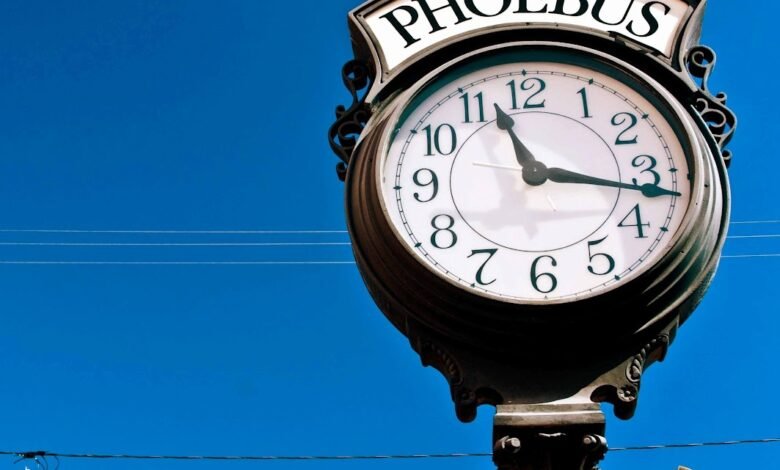
For more than three decades, the name Phoebus Auction carried a special meaning in the community of Hampton, Virginia. It wasn’t just a place to buy antiques or sell old heirlooms; it was a gathering spot, a marketplace full of stories, treasures, and people who loved the excitement of bidding. When you talk about Phoebus Auction, you talk about a place where history changed hands every week, where the ordinary could suddenly become extraordinary, and where the thrill of the auctioneer’s voice echoed through the room with energy and enthusiasm.
In this article, we will explore everything about Phoebus Auction—its origins, the kinds of items it sold, how it operated, the legacy it built, and why its closure in 2025 marked the end of an era. This guide gives you every important detail in a human, storytelling tone, while staying informative and rich with facts.
The Beginning of Phoebus Auction: A Local Institution is Born
Phoebus Auction began its journey in 1992, founded by auctioneer Gail Wolpin, a woman who brought passion, confidence, and a sharp understanding of antiques and collectibles into her work. She wasn’t just the owner; she was the personality that defined the place. With her enthusiastic auction style—fast-paced, humorous, and deeply experienced—she became the face of the business.
The gallery was located at 18 East Mellen Street in Hampton, right in the heart of the historic Phoebus district. The auction house took its name from the neighborhood itself, which carries a uniquely old-town charm. Over the years, the location grew into a community landmark—a spot locals recognized instantly, even if they had never stepped inside.
Starting small but steadily growing, Phoebus Auction earned a reputation for being approachable, honest, and full of variety. Unlike large international auction houses, which often focus only on extremely high-end items, Phoebus welcomed everything from everyday collectibles to rare and valuable antiques. This balance made it popular among families, collectors, antique dealers, estate sellers, and even curious newcomers.
What Made Phoebus Auction Unique
Phoebus Auction was never just about items—it was about the experience. Visitors often described the atmosphere as warm and exciting, a mixture of old-fashioned charm and lively entertainment. The auctioneer brought humor, personality, and showmanship to the stage, which made people enjoy attending even when they didn’t plan to buy anything.
The auction house became a community hub. People often attended auctions simply to socialize, look around, or feel the thrill of a bidding war. Much like small theaters or local fairs, Phoebus offered a form of community entertainment—one that revolved around history, craftsmanship, and the fascinating world of old objects.
Another aspect that set Phoebus apart was its commitment to variety. Some auction houses specialize in certain types of goods—fine art, jewelry, estate sales, or antiques—but Phoebus made sure that every auction had something for everyone. This approach made it fun to attend, because buyers never knew what might be available that week.
Types of Items Sold at Phoebus Auction
Phoebus Auction handled an extremely wide range of items over its 32-year history. Every auction featured hundreds of pieces, all categorized and arranged for public preview. Some of the most common categories included:
1. Antique and Vintage Furniture
These included:
- Victorian sofas and chairs
- Wooden dining sets
- Mahogany credenzas and cabinets
- Handcrafted side tables, chests, and wardrobes
- Mid-century modern pieces
Furniture was often one of the major attractions because many homes in Virginia passed down heirloom-quality pieces over generations.
2. Fine Art and Paintings
The gallery frequently auctioned:
- Oil paintings
- Prints and sketches
- Portraits
- Landscape art
- Decorative artwork for homes
Some pieces came from estate collections, others from local artists or private sellers.
3. Glassware and Crystal
Phoebus was well known for its glassware, especially:
- Moser glass
- Vintage crystal
- Art glass bowls, vases, and sculptures
- Cut glass patterns
- Mid-century glass collectibles
This category attracted many collectors who visited regularly to hunt for specific colors or patterns.
4. Jewelry and Personal Items
The auctionhouse often included:
- Gold and silver jewelry
- Vintage rings
- Pocket watches
- Gems
- Necklaces and bracelets
Because jewelry is easy to store and display, these lots often attracted spirited bidding.
5. Sterling Silver and Flatware
One of the strongest categories in their auctions included:
- Complete silver sets
- Tea services
- Trays and bowls
- Decorative silver ornaments
Estate silver was always a favorite among both buyers and sellers.
6. Collectibles and Curiosities
These made the auctions especially fun:
- Old toys
- Military memorabilia
- Vintage tools
- Coins
- Porcelain figurines
- Oddities and unusual antiques
The “unexpected treasures” gave Phoebus Auction its sense of mystery and excitement.
7. Home Decor and Household Items
Because the auction house handled estate liquidations, it often featured:
- Lamps
- Rugs
- Clocks
- Mirrors
- Wall hangings
- Kitchenware
This made auctions very approachable—people could come looking for something useful and affordable.
How the Auction Process Worked
Phoebus Auction ran live auctions, the traditional kind where people sit in a room with paddles, listen to the auctioneer, and raise their bids as prices climb. Over the years, the auction house grew with the times and also accepted remote bidding, using:
- Phone bids
- Email bids
- Online catalog bidding
This helped the gallery reach more customers across the region, especially collectors who couldn’t attend in person.
Preview Days
Before each auction, people could preview items in person. This allowed bidders to examine furniture condition, test drawers, inspect glass for cracks, or check a painting’s detail up close.
Auction Day Energy
Auction days had an electric energy. The auctioneer’s voice filled the room as items passed across the stage in rapid succession. Each piece—whether a delicate vase or a simple wooden chair—had its moment. Bidders raised paddles, whispered with family members, or waved discreetly to place their bid. The fast pace kept the crowd engaged, and the auctioneer’s jokes and remarks made the experience entertaining.
Consignment Services
Phoebus also offered appraisal and consignment services. Families managing estates often used the gallery to sell belongings. Phoebus assessed the value, photographed the items, advertised them, and then auctioned them to the highest bidder.
This dual role—as a seller’s service and a buyer’s marketplace—made the gallery a trusted resource in the area.
Why People Loved Phoebus Auction
The affection the community had for Phoebus Auction can’t be explained by sales numbers alone. There were emotional reasons too:
1. The Thrill of Discovery
Each auction was a treasure hunt. People loved uncovering unexpected finds—rare art, valuable silver, or a beautifully crafted piece of furniture for an unbelievable price.
2. Affordable Access to Quality Items
Many buyers appreciated that auctions offered great deals on items that would be far more expensive in antique stores.
3. Friendly and Personal Atmosphere
Because Phoebus was family-like in its operation, buyers and sellers felt a personal connection to the gallery.
4. The Social Experience
Regular attendees formed friendships with other bidders and even with the staff. Many described auction nights as exciting community events.
The Closure in 2025: The End of an Era
In early 2025, after 32 years of business, Phoebus Auction officially closed its doors. The closure was emotional for many people who had attended auctions there for decades. Community members expressed nostalgia and sadness, remembering the gallery as a major part of local culture.
While the exact reasons for the closure were not fully detailed, several factors likely played a role:
- The rise of online marketplaces
- Changing estate-sale patterns
- Increasing costs of running a physical auction house
- Shifts in consumer habits
- Personal decisions by the owner after decades of service
Regardless of the cause, the closing marked the end of a beloved institution.
The Legacy of Phoebus Auction
Though it is closed, the legacy of Phoebus Auction remains alive in multiple ways:
1. Treasures in Homes Across Virginia
For 32 years, thousands of people bought items—furniture, glassware, artwork—that are still part of their homes today.
2. A Generational Connection
Many older families were able to settle estates respectfully and professionally through the auction house.
3. A Unique Local Experience
Phoebus Auction provided something that online shopping cannot: human interaction, excitement, and the timeless ritual of bidding.
4. A Chapter of Local History
The auction gallery holds an important place in the cultural memory of the Phoebus district and the larger Hampton community.
Final Thoughts
Phoebus Auction was more than a building with furniture and collectibles. It was a living, breathing place where stories were passed from one generation to another through the objects sold. It brought people together—collectors, families, history lovers, bargain hunters, and curious visitors. Its closing in 2025 ended an important chapter, but its impact continues through the memories it created and the treasures it helped circulate.
If you’re researching Phoebus Auction today, you’re looking at a piece of Virginia’s cultural and antique-trading history. It was unique, personal, deeply loved, and full of character—a true community institution whose influence will be remembered for years to come.