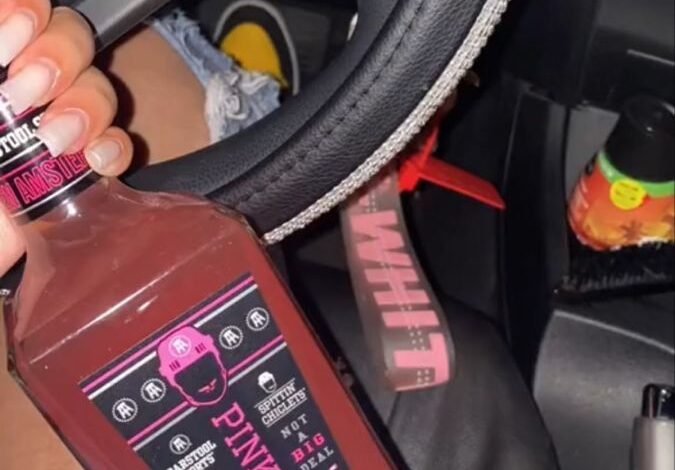
Pink Whitney has become one of the most recognizable flavored vodkas in recent years. Its bright pink color, sweet lemonade flavor, and connection to sports culture have made it a favorite among casual drinkers, hockey fans, and social media enthusiasts alike. But behind the viral popularity and fun branding, many wonder: who actually owns Pink Whitney? Who brought this vodka to life, and how did it go from a podcast joke to a nationwide beverage sensation? In this article, we explore everything about Pink Whitney’s ownership, origin, key players, and business success.
What Is Pink Whitney?
Pink whitney is a flavored vodka that combines the smooth, clean taste of New Amsterdam Vodka with a pink lemonade flavor. It is bottled at 30% alcohol by volume (ABV), or 60 proof, which is slightly lower than many standard vodkas. This makes it lighter, easy to mix, and highly drinkable. The drink’s sweetness, tartness, and vibrant pink color make it visually appealing and perfect for casual gatherings, game nights, or party settings.
While the flavor is delightful, what really sets Pink Whitney apart is its unique backstory and branding. Unlike other flavored vodkas created purely in a lab or by marketing teams, Pink Whitney was born from a real person’s casual drink preference and amplified through modern media channels.
The Origin Story: How Pink Whitney Came to Be
The creation of Pink Whitney is an interesting mix of chance, social media, and smart brand collaboration. The idea began with Ryan Whitney, a former NHL defenseman. During his time as co-host on the hockey-focused podcast Spittin’ Chiclets, he casually mentioned that his favorite drink was a combination of New Amsterdam Vodka and pink lemonade.
Fans of the podcast immediately picked up on this and started making their own versions of the drink, calling it “Pink Whitney.” Social media posts of the drink went viral, and what started as a casual comment became a cultural phenomenon among hockey fans and listeners of the podcast.
New Amsterdam Vodka noticed the popularity and decided to bottle the drink officially. They partnered with Barstool Sports, the parent company of Spittin’ Chiclets, to produce Pink Whitney as a commercial product. By September 2019, Pink Whitney was officially on shelves across the United States.
Who Owns Pink Whitney? Key Players
The question of ownership is multi-layered because Pink Whitney exists at the intersection of corporate production, media branding, and celebrity influence. Here are the main entities involved:
1. New Amsterdam Vodka / E. & J. Gallo Winery
The primary producer of Pink Whitney is New Amsterdam Vodka, a brand owned by E. & J. Gallo Winery, one of the largest wine and spirits companies in the world. New Amsterdam Vodka handles the distillation, production, and distribution of Pink Whitney, making them the legal and corporate owner of the product.
Gallo’s involvement provides Pink Whitney with the manufacturing scale and distribution network necessary to reach markets nationwide. Without New Amsterdam’s infrastructure, Pink Whitney might have remained a small, niche drink enjoyed by podcast fans.
2. Barstool Sports / Spittin’ Chiclets
Barstool Sports is the media company behind Spittin’ Chiclets, the hockey podcast where Pink Whitney’s origin story began. While Barstool does not own the vodka company, they are a brand and creative partner in Pink Whitney.
The podcast hosts, especially Ryan Whitney and Paul Bissonnette, helped shape the brand’s image, marketing, and promotional reach. Barstool Sports’ role ensured that Pink Whitney reached the right audience and generated buzz on social media and beyond.
3. Ryan Whitney
Ryan Whitney, the former NHL player, is the “Whitney” in Pink Whitney. His casual comment about enjoying vodka with pink lemonade inspired the product. While he does not own the vodka company, he is a co-creator and the face of the brand, and his name and personality are deeply tied to its identity.
Ryan Whitney likely receives royalties or a share of profits through his partnership with Barstool Sports, although specific financial details are not publicly disclosed. Regardless, his involvement was essential to the creation and marketing of Pink Whitney.
Why This Ownership Structure Works
The collaborative ownership and partnership model is one of the reasons for Pink Whitney’s success. Each party contributes a unique strength:
- New Amsterdam / Gallo – Provides production expertise, quality control, and distribution reach.
- Barstool Sports – Offers media exposure, branding, and an engaged fanbase.
- Ryan Whitney – Adds authenticity, a personal story, and credibility with hockey fans.
This combination of corporate, media, and celebrity influence creates a product that feels both personal and professionally executed, making it stand out in a crowded spirits market.
Marketing and Branding
Pink Whitney’s branding is clever and highly targeted. The packaging features hockey motifs, Ryan Whitney’s former NHL jersey number, and colors that match the pink lemonade flavor. It appeals to sports fans, podcast listeners, and younger drinkers looking for something fun and visually distinct.
Social media and podcast-driven marketing have been instrumental in Pink Whitney’s rise. The product feels like an extension of Spittin’ Chiclets, which strengthens the connection with its target audience. Fans feel like they’re buying not just a vodka, but a part of the culture and community around the podcast.
Financial Impact and Market Success
Since its launch, Pink Whitney has achieved remarkable success:
- It quickly became one of the fastest-growing flavored vodka brands in the U.S.
- Its lower ABV and approachable flavor made it accessible to a broad demographic.
- Retail pricing was set around $14–$15 per 750 ml bottle initially, offering an affordable option for casual consumers.
- The viral marketing strategy, leveraging both hockey culture and podcast fans, drove early adoption and word-of-mouth promotion.
The combination of strong distribution, media exposure, and unique branding ensured that Pink Whitney moved from niche curiosity to mainstream popularity in a short time.
Challenges and Considerations
Despite its success, Pink Whitney faces challenges typical of flavored spirits:
- Trend-Driven Market – Flavored vodkas can be faddish. While Pink Whitney is popular now, consumer tastes may shift.
- Dependence on Podcast Relevance – Its branding is tied to Spittin’ Chiclets and Ryan Whitney’s popularity. Maintaining visibility and connection with fans is essential.
- Flavor Perception – Traditional vodka drinkers may find it too sweet or casual compared to unflavored spirits.
- Competition – The flavored vodka market is competitive, with many options appealing to similar demographics.
Despite these challenges, Pink Whitney’s unique origin and strong fan connection give it a solid foundation for continued success.
The Legacy of Pink Whitney
Pink Whitney represents a new era in spirits marketing and ownership models:
- Fan-driven Product Development – The drink began as a fan-inspired concept based on a real person’s preferences.
- Cross-Media Collaboration – A partnership between a spirits company and a media brand created something that resonates culturally and commercially.
- Personality-Driven Branding – Having a recognizable figure like Ryan Whitney tied to the product gives it a story and authenticity that traditional marketing cannot replicate.
It’s an example of how modern consumer products can leverage media, social influence, and community to launch successfully in crowded markets.
Conclusion: Who Owns Pink Whitney?
In summary, Pink Whitney’s ownership is a collaborative effort:
- New Amsterdam Vodka (owned by E. & J. Gallo Winery) is the corporate owner and producer.
- Barstool Sports / Spittin’ Chiclets serves as the media and branding partner.
- Ryan Whitney is the co-creator, the face of the brand, and the inspiration behind the product.
This partnership model combines corporate infrastructure, media exposure, and celebrity influence, creating a unique formula for success in the spirits industry. Pink Whitney is more than just a flavored vodka—it’s a cultural phenomenon, a marketing case study, and a beloved beverage for fans of hockey, podcasts, and sweet, fun cocktails.
Whether you’re a casual drinker, a hockey fan, or simply curious about the business behind viral products, understanding the story and ownership of Pink Whitney offers insights into how modern consumer brands can succeed in creative and unexpected ways.